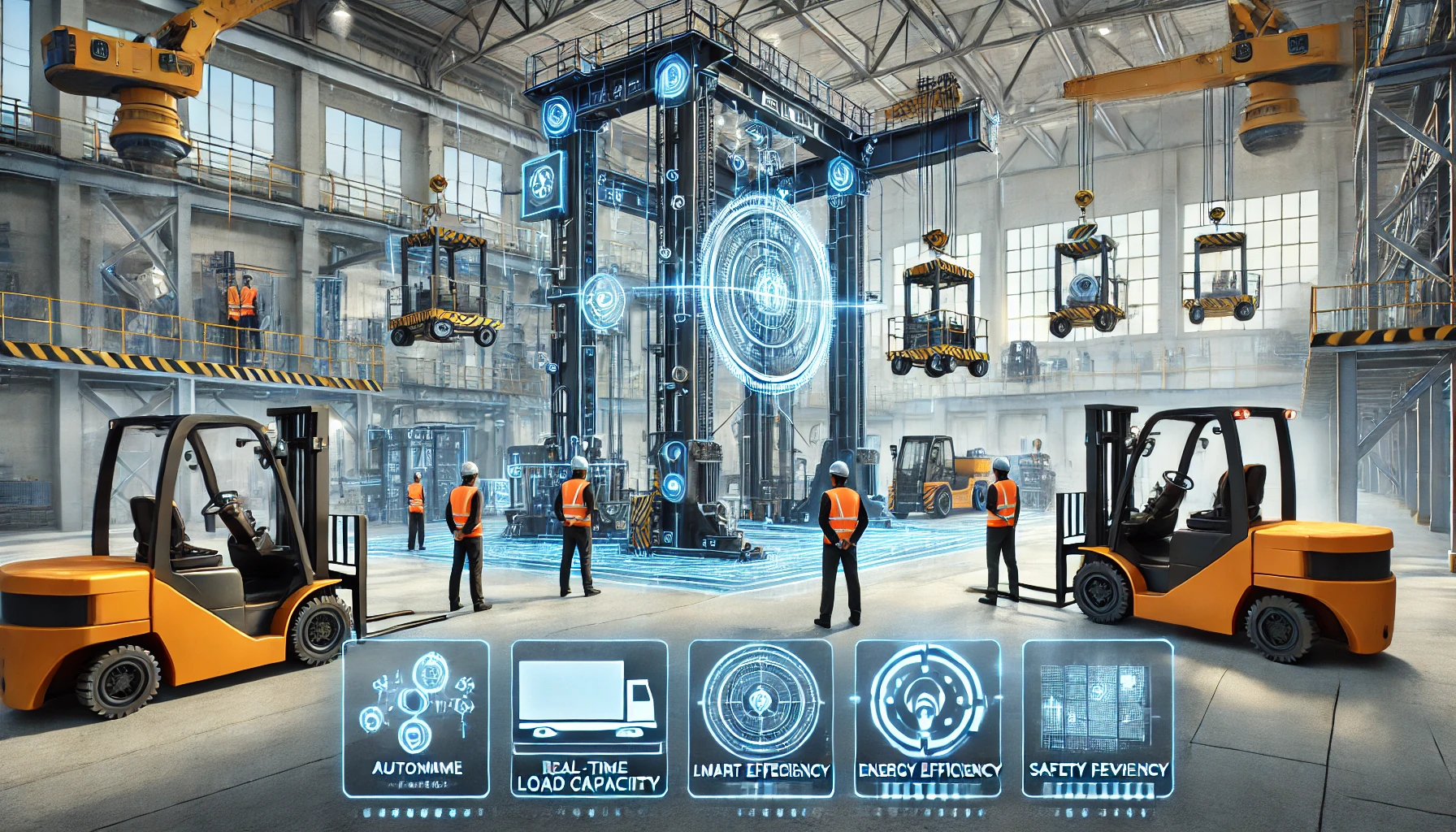
Modern manufacturing environments demand efficiency, precision, and worker safety. With production lines becoming more automated and material handling more frequent, lifting platforms have become indispensable. Known in industrial settings as 升降台, these platforms allow workers to move materials, tools, and equipment safely and efficiently while maintaining high production standards.
This article explores the role of lifting platforms in modern manufacturing and why they are critical for operational success.
1. Streamlining Material Handling
In manufacturing, moving raw materials and finished products between workstations is essential. A 升降台 allows operators to transport goods vertically with minimal manual effort. This streamlines production workflows, reduces the time spent on handling, and ensures that materials reach the right station efficiently.
By eliminating repeated manual lifting, production lines become smoother and more productive.
2. Supporting Heavy and Oversized Equipment
Many manufacturing processes involve heavy machinery or oversized components that cannot be moved manually. Lifting platforms are designed to handle substantial weight safely, reducing the risk of damage or injury. Operators can position heavy parts precisely, improving assembly accuracy and overall product quality.
3. Enhancing Worker Safety
Manual lifting and climbing create a high risk of workplace injuries. 升降台 eliminates these risks by providing stable, controlled vertical movement. Safety features such as guardrails, anti-slip surfaces, and emergency stops protect workers while reducing fatigue, which leads to fewer mistakes and accidents.
4. Increasing Productivity
Faster and safer material movement translates directly to higher productivity. Lifting platforms reduce downtime caused by injuries, bottlenecks, or inefficient handling. Workers can focus on core manufacturing tasks rather than transporting items, leading to more streamlined operations.
5. Versatility Across Manufacturing Processes
Lifting platforms are versatile and can be adapted to various manufacturing processes:
- Assembly lines for electronics or automotive components
- Packaging stations for finished goods
- Maintenance and servicing of machinery
- Storage and retrieval of raw materials
Their adaptability allows facilities to optimize both space and workflow without investing in multiple handling systems.
6. Integration With Automated Systems
Modern manufacturing often involves automated production lines and conveyors. Many lifting platforms are compatible with automated systems, allowing seamless transfer of goods between workstations or floors. This integration reduces manual intervention and supports continuous production cycles.
7. Supporting Ergonomics
Ergonomic considerations are vital in manufacturing. Lifting platforms adjust the working height to minimize bending, lifting, or stretching. Workers experience less strain, maintain focus longer, and perform tasks with greater accuracy, all of which enhance efficiency and quality.
Conclusion
The 升降台 plays a critical role in modern manufacturing by improving safety, productivity, and workflow efficiency. From handling heavy materials to supporting ergonomic working conditions, lifting platforms are essential for factories aiming to maintain high standards and competitiveness. Investing in reliable, well-maintained platforms ensures long-term operational success and a safer environment for employees.