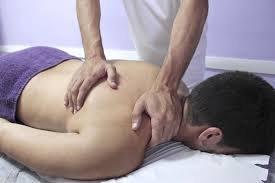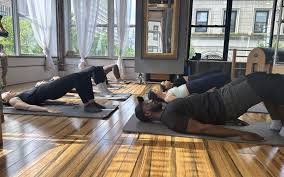
Pilates is widely recognized for building core strength, improving posture, and enhancing overall body control. However, even experienced practitioners can experience weaknesses or imbalances in the deep core stabilizers, including the transverse abdominis, multifidus, diaphragm, and pelvic floor. Professional Pilates core support focuses on strengthening these muscles, improving spinal stability, and preventing overuse or injury during advanced movements.
For expert guidance and structured rehabilitation programs, visit 출장 for professional resources.
Understanding the Deep Core Stabilizers
The deep core stabilizers form a supportive cylinder around the spine and pelvis, providing essential stability during both Pilates exercises and daily movement. When these muscles are weak or underactive, it can lead to:
-
Lower back discomfort or pain
-
Pelvic instability and imbalance
-
Reduced efficiency and control during Pilates exercises
-
Increased risk of compensatory injuries
Focusing on deep core engagement ensures that movements are safe, effective, and supportive of overall posture and strength.
Causes and Risk Factors
Weakness or under-activation of deep core muscles may result from:
-
Over-reliance on superficial muscles like the rectus abdominis
-
Poor alignment or form during Pilates or other workouts
-
Sedentary habits or prolonged sitting
-
Prior lower back, hip, or pelvic injuries
-
Rapid progression to advanced exercises without a solid foundation
Addressing these factors is essential to prevent chronic pain and maintain long-term stability.
Licensed Deep Core Specialist Approach
Professional Pilates programs emphasize proper activation, alignment, and progressive strengthening of the deep core stabilizers. Strategies typically include:
1. Core Activation Techniques
-
Diaphragmatic breathing to engage the transverse abdominis
-
Pelvic floor engagement combined with abdominal contraction
-
Slow, controlled movements to establish mind-muscle connection
2. Targeted Strengthening Exercises
Exercises designed to build strength safely include:
-
Controlled roll-ups and roll-downs
-
The Hundred with deep core engagement
-
Bridging variations emphasizing pelvic stability
-
Single-leg stretches and gentle rotational movements
These exercises focus on endurance, alignment, and stability rather than maximal effort.
3. Postural Alignment and Awareness
Maintaining correct posture enhances core function and prevents injury:
-
Neutral spine awareness in supine, seated, and standing positions
-
Shoulder and pelvic alignment drills
-
Mirror or instructor feedback to ensure proper form
4. Functional Integration
Deep stabilizer activation is incorporated into everyday movement and Pilates practice:
-
Combining breath, core engagement, and limb movement
-
Gradual introduction of advanced Pilates exercises
-
Focused balance, twist, and extension drills
5. Gradual Progression
Recovery and strengthening follow a structured progression:
-
Begin with foundational core activation and controlled movement
-
Progress to moderate resistance and multi-limb coordination
-
Integrate full Pilates repertoire once stability and control are mastered
This approach minimizes risk of strain and promotes sustainable strength gains.
Nutrition and Recovery
Supporting core muscle recovery is important for optimal results:
-
Adequate protein intake for muscle repair
-
Anti-inflammatory foods to reduce soreness
-
Hydration to maintain muscle function
-
Vitamins and minerals such as magnesium for muscle relaxation
Monitoring and Professional Oversight
Licensed Pilates specialists monitor movement quality, progression, and engagement of deep stabilizers. Persistent weakness, discomfort, or postural imbalance warrants professional assessment.
Structured programs and step-by-step guidance are available at 출장, offering resources for Pilates core strengthening and deep stabilizer rehabilitation.
Preventing Future Core Weakness
Preventive strategies include:
-
Consistent activation of deep core muscles in every session
-
Maintaining proper alignment and technique
-
Gradual increase in exercise complexity and resistance
-
Balanced training for core, glutes, and spinal stabilizers
-
Mindful breathing and posture awareness throughout the day
Strengthening and maintaining deep stabilizers supports spinal health, enhances balance, and reduces injury risk.
Final Thoughts
Professional Pilates core support prioritizes deep stabilizer engagement, controlled movement, and progressive strengthening. Combining licensed guidance with consistent practice ensures effective core development, injury prevention, and long-term functional stability.
For expert exercises, structured programs, and professional advice, visit 출장 to access resources for Pilates deep stabilizer work and core support.