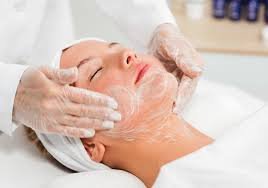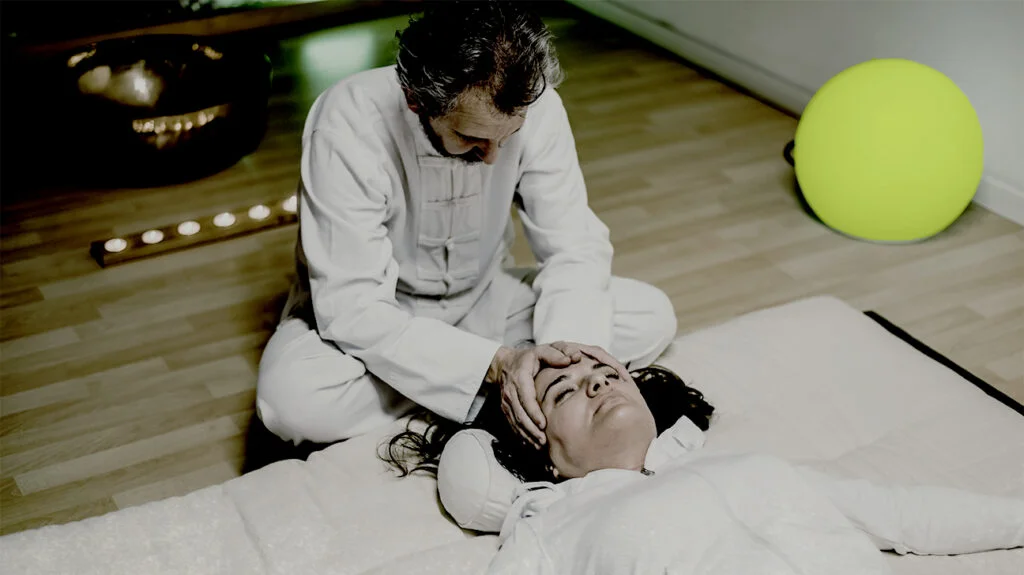
Korean massage, deeply rooted in traditional Eastern medicine, offers a powerful and holistic approach to improving both posture and flexibility. It goes beyond simple muscle relaxation, working on the body’s energy pathways, connective tissues, and structural alignment.
Here’s a detailed breakdown of how Korean massage helps you stand taller and move more freely.visit for more details 마사지
The Core Philosophy: It’s All About Ki (Energy)
To understand how Korean massage works, you first need to grasp its foundational principles, which differ from many Western massage styles.
- Ki (기) or Qi (氣): This is the vital life energy that flows through your body. In Korean medicine, good health is a result of smooth, balanced Ki flow. Pain, stiffness, and poor posture are seen as signs of blocked or stagnant Ki.
- Meridians (Gyeongnak – 경락): Ki travels through a network of invisible pathways called meridians. These meridians connect to specific organs and muscle groups. A blockage in a meridian can manifest as tension or pain in the associated area.
- Holistic Approach (Chim-sa-hwa-beop – 심사화법): This translates to a mind-body-spirit connection. Korean massage therapists don’t just treat a symptom (like a tight shoulder); they look for the root cause, which could be emotional stress, an internal imbalance, or a structural issue.
With this framework, we can see how the techniques directly target the root causes of poor posture and inflexibility.
How Korean Massage Improves Posture
Poor posture is often a result of chronic muscle imbalances—some muscles are overly tight and shortened, while others are weak and elongated. Korean massage addresses this imbalance from multiple angles.
1. Releases Chronic Muscle Tension That Pulls the Skeleton Out of Alignment
Think of your muscles as the ropes holding up your skeleton (the tent poles). If some ropes are too tight, they’ll pull the structure out of whack.
- How it Works: Korean massage uses deep, firm pressure (Jiap or acupressure) and intense kneading to penetrate deep into muscle bellies. This breaks down adhesions (knots) and releases tension in key postural muscles like:
- Upper Trapezius & Levator Scapulae: Tight muscles in the neck and shoulders that cause shrugged, rounded shoulders.
- Pectoral Muscles (Chest): A tight chest pulls the shoulders forward, creating a hunched-back look.
- Hip Flexors & Piriformis: Tight muscles in the hips and glutes can tilt the pelvis, leading to lower back sway (anterior pelvic tilt) and a stiff gait.
By releasing these “tight ropes,” your skeleton is free to return to its natural, upright position.
2. Balances Opposing Muscle Groups
For every muscle that pulls, there’s an opposing muscle that should be pulling back. Korean massage works on both sides of the equation.
- How it Works: A therapist won’t just release your tight chest muscles; they will also work on the weakened, overstretched muscles of your upper back (rhomboids, lower traps). This stimulates blood flow and Ki to the area, “waking up” the muscles and encouraging them to engage properly. This restores balance between the front and back of your body, which is essential for good posture.
3. Releases Fascial Restrictions
Fascia is the connective tissue web that surrounds and connects every muscle, bone, and organ. When it becomes stiff or adhered due to stress, injury, or inactivity, it can lock your body into poor postural patterns.
- How it Works: The deep, gliding, and stretching movements in Korean massage help to “unwind” the fascia. By releasing these restrictions, it allows your muscles and joints to glide smoothly, making it physically easier to sit and stand correctly.
4. Enhances Body Awareness (Proprioception)
Many people with poor posture have simply lost the connection to their bodies. They don’t feel that they are slouching.
- How it Works: The intense, targeted pressure of a Korean massage session heightens your awareness of your own body. You become more conscious of where you hold tension and what “good” alignment actually feels like. This enhanced proprioception carries over into your daily life, allowing you to self-correct your posture as you sit, stand, and walk.
How Korean Massage Boosts Flexibility
Flexibility is limited by the length of your muscle fibers, the health of your fascia, and the mobility of your joints. Korean massage directly targets all three.
1. Incorporates Assisted Stretching (Jeng-kyung)
This is a key differentiator. A Korean massage session often includes significant assisted stretching, where the therapist moves your limbs through their full range of motion.
- How it Works: The therapist can safely guide you into a deeper stretch than you could achieve on your own. This helps to lengthen muscle fibers and increase the elasticity of the connective tissue around the joints. This passive stretching is incredibly effective for improving overall range of motion.
2. Breaks Down Adhesions and Scar Tissue
Adhesions are bands of stiff, fibrous tissue that form between muscles and fascia. They act like internal “glue,” restricting movement.
- How it Works: The deep, cross-fiber friction and focused pressure of techniques like Jiap (acupressure) physically break down these adhesions. This restores the smooth gliding between muscle layers, allowing for a much greater range of motion.
3. Dramatically Improves Circulation
Stiff, inflexible muscles are often poorly nourished.
- How it Works: The vigorous pumping and kneading actions of Korean massage stimulate blood flow to the muscles. This delivers a fresh supply of oxygen and nutrients while flushing out metabolic waste products (like lactic acid) that can contribute to stiffness and soreness. Healthy, well-nourished muscles are naturally more supple and flexible.
4. Stimulates Synovial Fluid Production
Flexibility isn’t just about muscles; it’s also about joint health. Synovial fluid is the lubricating fluid in your joints that allows for smooth, pain-free movement.
- How it Works: Gentle mobilization and stretching of the joints during a massage encourages the production and circulation of this fluid, keeping your joints well-lubricated and mobile.
What to Expect in a Session
A Korean massage for posture and flexibility will likely be more dynamic and intense than a relaxing Swedish massage. The therapist may use:
- Acupressure (Jiap): Deep, sustained pressure on specific points along meridians.
- Kneading and Tapping: To warm up muscles and stimulate Ki flow.
- Assisted Stretching: Moving your body through various poses and stretches.
- Cupping (Buhang): Using suction cups to lift fascia and release deep muscle tension.
Conclusion
Korean massage is a comprehensive therapy that treats the body as an interconnected system. By releasing deep-seated muscle tension, unwinding restrictive fascia, balancing energy flow (Ki), and incorporating assisted stretching, it effectively corrects the imbalances that cause poor posture and stiffness. The result is not just temporary relief, but a lasting improvement in your body’s structural integrity and functional movement, helping you to stand taller, move with ease, and feel more connected to your body.